
Verified Treatment Center
Bridges of Hope
Anderson, IN · 46011
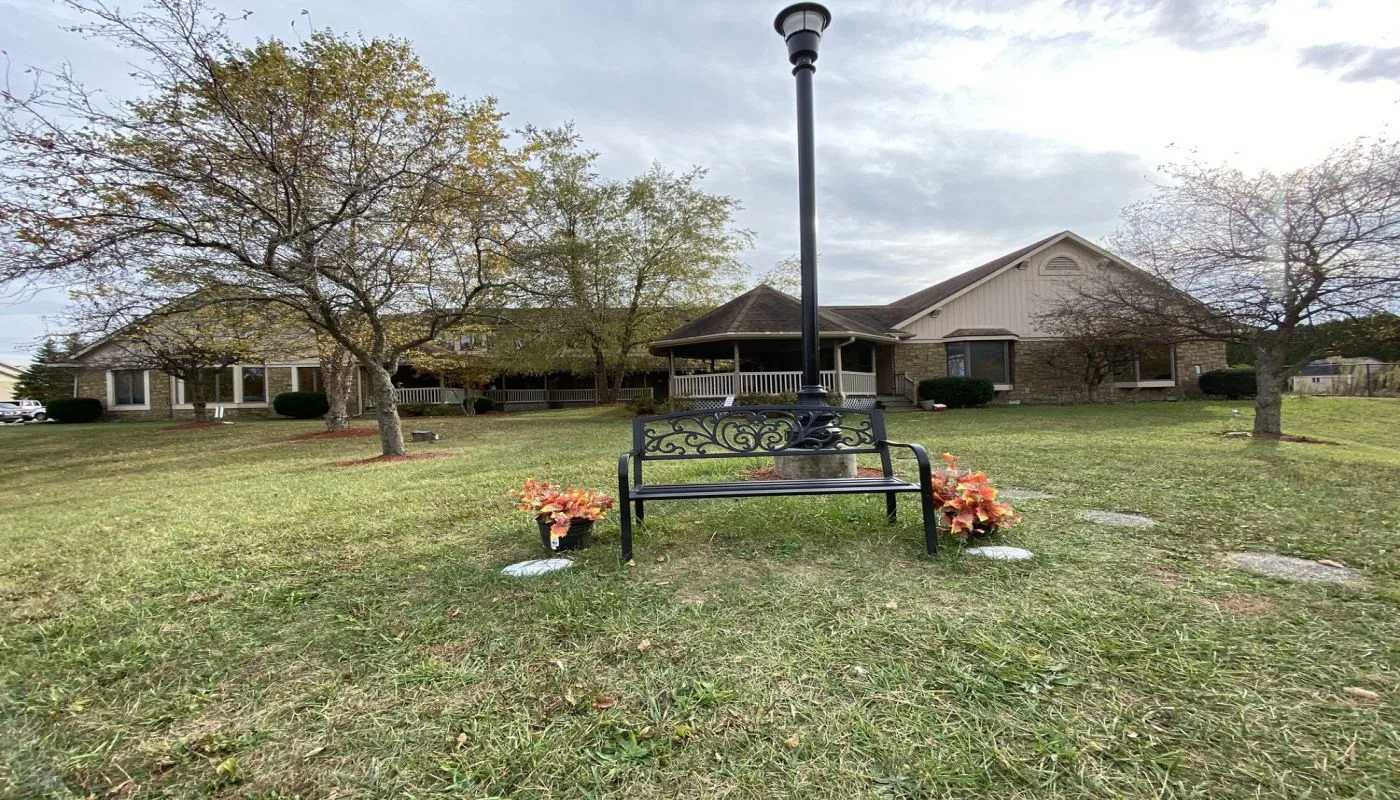



Photos sourced from facility public listings · Click to view full size
Key Takeaways for Bridges of Hope
- • Detox · Inpatient · MAT · Dual Dx offered
- • Accepts Medicaid, Private insurance, TRICARE/VA
- • Joint Commission accredited · SAMHSA-listed facility
- • Direct line available · Helpline free & confidential 24/7
About Bridges of Hope
Bridges of Hope is a SAMHSA-registered addiction-treatment facility in Anderson, IN. The facility offers a continuum of care across multiple levels — Detox, Inpatient, MAT, Dual Dx — which means it can, in principle, hold a patient across the arc of a typical treatment episode. This page frames the questions that matter most when evaluating a specific program — the ones that separate useful candidates from marginal ones.
Care levels at Bridges of Hope
The facility offers a continuum of care across multiple levels — Detox, Inpatient, MAT, Dual Dx — which means it can, in principle, hold a patient across the arc of a typical treatment episode. The practical question is whether it is genuinely strong at each level, or whether one level is the core business and the others are secondary. ASAM Criteria 4e is the benchmark framework for matching patients to appropriate intensity. Most major payer medical-necessity documents reference it. An outside ASAM-aligned assessment, prior to admission, is the protection against misplacement.
Insurance and payment
Bridges of Hope accepts both Medicaid and commercial insurance, which is the broadest payer profile and typically correlates with programs that operate at scale across the economic spectrum. The facility also accepts TRICARE or military benefits. Before admission, request a written Verification of Benefits from the facility's utilization-review team. Verbal VOB is where most post-admission cost-sharing disputes originate. Written documentation settles them.
Before you call
Three pre-admission questions for Bridges of Hope: (1) at what ASAM 4e level are you admitting me, and what is the clinical rationale; (2) can you provide written Verification of Benefits for my specific plan; (3) what is your MAT policy for opioid use disorder — specifically, do you continue buprenorphine or methadone during residential programming. The facility's documented pharmacotherapy offerings suggest MAT is available — confirm the specific medications and prescriber access during the admissions conversation.
Listing sourced from the SAMHSA Behavioral Health Treatment Services Locator. Data last synced October 2026. Verify current programs directly with the facility.
Bridges of Hope at a Glance
Levels of care
Detox · Inpatient · MAT · Dual Dx
Service settings
Residential/24-hour residential, Residential detoxification, Short-term residential
Therapy approaches
Anger management, Brief intervention, Cognitive behavioral therapy, Contingency management/motivational incentives, Community reinforcement plus vouchers, Motivational interviewing
Age groups
Young Adults, Adults
Medications
Acamprosate (Campral®), Disulfiram, Buprenorphine with naloxone, Buprenorphine without naloxone, Buprenorphine (extended-release, injectable), Naltrexone (oral)
Insurance & Payment Accepted
Confirm in-network status before admission — verification is free.
Medicaid
Coverage details →Medicare
Private insurance
Coverage details →TRICARE / VA
Coverage details →Contact & Location
Address
2200 Madison Square, Anderson, IN 46011
Facility direct line
(855) 641-4034Website
bhoperehab.comQuestions about this facility
Common questions about Bridges of Hope
Answered from public sources: SAMHSA listings, federal parity regulations, and our own admissions helpline intake notes.
Is Bridges of Hope listed in the SAMHSA Treatment Services Locator?
What insurance does Bridges of Hope accept?
How do I know if this level of care is right for me?
Is calling confidential? Will my employer find out?
What happens if I call the helpline instead of the facility?
Similar facilities nearby